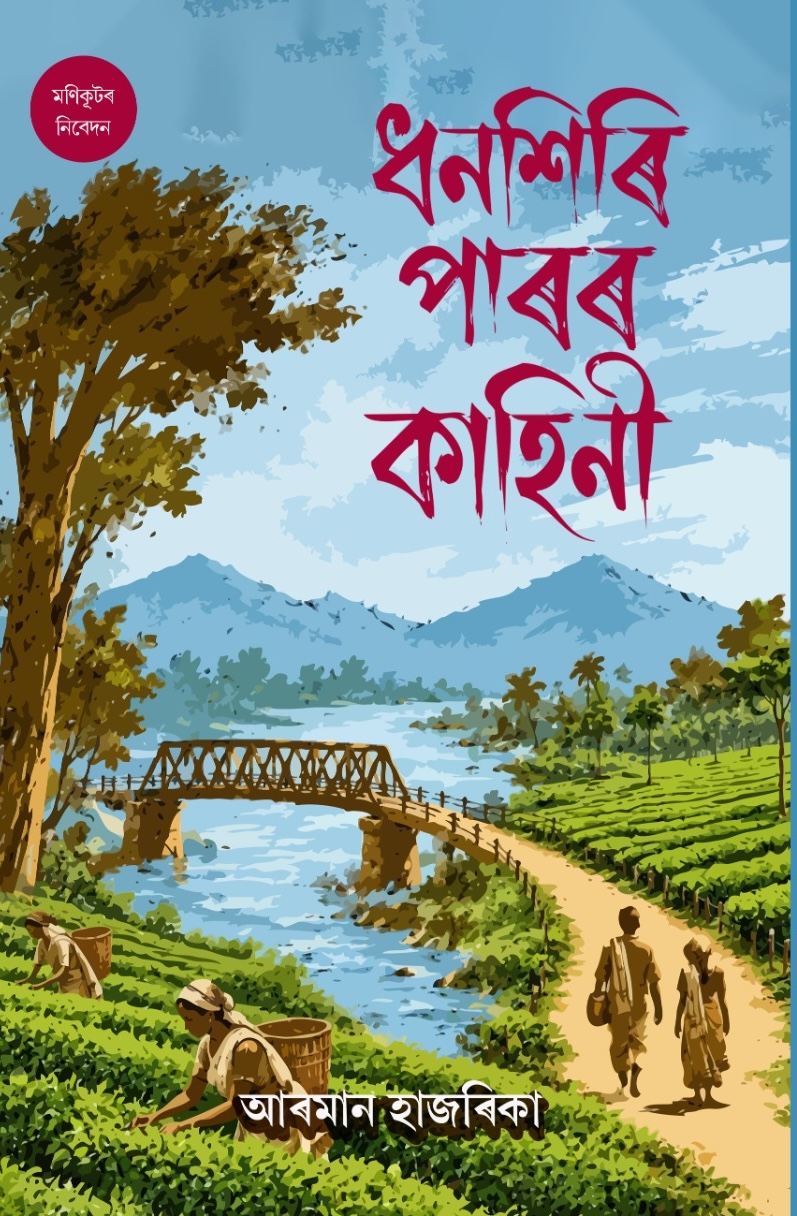
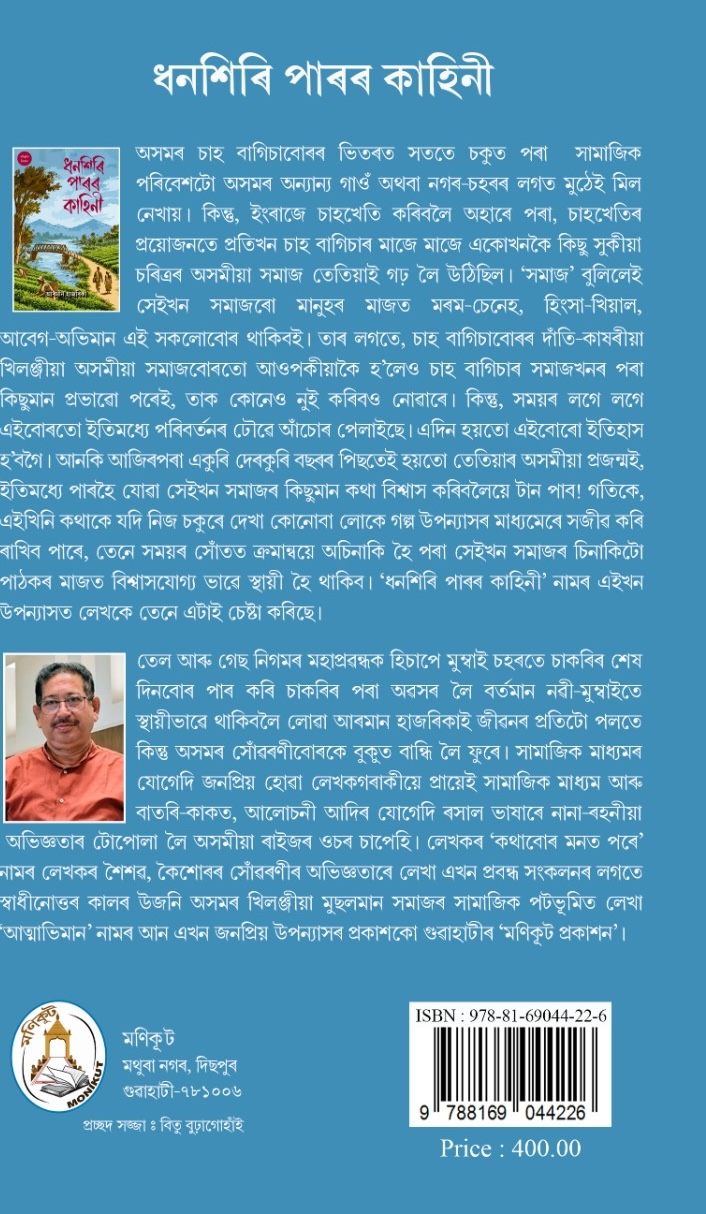
The social environment commonly observed in Assam’s tea gardens is markedly different from that of other villages, towns and cities of Assam. However, ever since the British came to Assam to cultivate tea, a distinct form of Assamese society, with its own peculiar characteristics, gradually emerged within each tea garden to meet the specific needs of tea cultivation. Like any other society, this community too had its share of love and affection, jealousy and rivalry, emotions and resentments. Moreover, the indigenous Assamese communities living in the vicinity of these tea gardens were also indirectly influenced, in various ways, by the society that developed within the gardens. This influence is something that cannot be denied.
However, with the passage of time, these communities have also begun to experience the impact of changing social currents. Perhaps, one day, these ways of life will themselves become a part of history. Indeed, in another twenty-five or thirty years, the Assamese generations of that time may find it difficult even to believe certain aspects of the society that once existed. Therefore, if someone who has witnessed this society firsthand can preserve its memory through the medium of fiction and the novel, its identity—which is gradually becoming unfamiliar with the passage of time—will remain credibly preserved in the minds of readers. In his novel Dhanshiri Parar Kahini, Arman Hazarika has made precisely such an attempt.
Reviews
There are no reviews yet.